Herring Surveyors Home

Category

Homebuyer Guides

20 articles

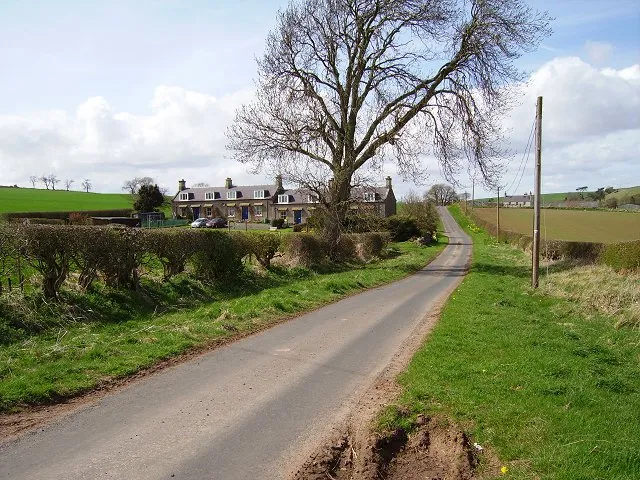
Below the Lawn: What a Survey Can—and Cannot—Tell You About Private Drainage

Below the Lawn: What a Survey Can—and Cannot—Tell You About Private Drainage

A rural home may replace mains drainage with a system you will own, maintain and eventually replace. This guide explains what a surveyor can reasonably observe at a septic tank or package treatment plant, where a standard inspection stops, and which paperwork and specialist checks should sit alongside the survey before exchange.


Walls You Own, Obligations You Share: Surveying a Leasehold Flat Before Exchange

A building survey can tell you a great deal about the condition inside a leasehold flat, but it cannot clear the shared obligations, service charges and building safety questions that sit outside your front door. This guide explains what the surveyor sees, what your solicitor must investigate, and where leasehold buyers most often assume too much before exchange.

The Glass Room Question: What a Conservatory Adds — and What It Conceals

The Glass Room Question: What a Conservatory Adds — and What It Conceals

A conservatory is often presented as effortless extra living space, but surveyors tend to see a hybrid structure with its own foundations, drainage, glazing and paperwork. This guide explains what a UK buyer should check before treating one as an asset rather than a future repair bill.

The Room Without a Floor: Reading a Loft Survey Before You Exchange

The Room Without a Floor: Reading a Loft Survey Before You Exchange

The loft is often treated as storage space, yet it contains some of the most consequential parts of a house. This guide explains what a surveyor can reasonably see through a hatch, why access caveats matter, and how buyers should act on loft findings before exchange.

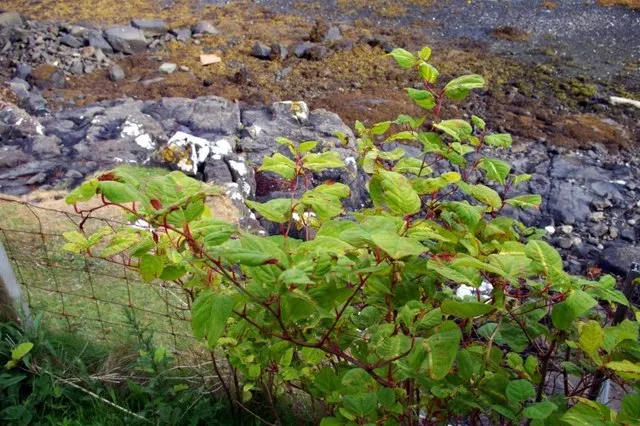
The Boundary Weed: Assessing Japanese Knotweed Risk Before Exchange

The Boundary Weed: Assessing Japanese Knotweed Risk Before Exchange

Japanese knotweed can alarm buyers, lenders and sellers in equal measure, but a survey is only one part of the evidence. This guide explains what a visual inspection can reasonably establish, how neighbouring infestations are treated in 2026, and the questions to settle before exchange.

From Manhole to Main: A Buyer’s Guide to Drainage Before Exchange

From Manhole to Main: A Buyer’s Guide to Drainage Before Exchange

A CCTV drain survey is often treated as an afterthought, commissioned only when a problem announces itself. For buyers, the more useful question is whether the drains should be inspected alongside the building survey — and how to read the findings without mistaking ordinary wear for a reason to walk away.

Bricks That Speak: What Wall Patterns Reveal About a House

Bricks That Speak: What Wall Patterns Reveal About a House

Brick bond patterns are more than a decorative detail. To a surveyor, a change in bond can hint at an extension, a former opening, a repair or a later alteration — and help a buyer ask sharper questions before exchange.

The Air in the Room: A Buyer’s Guide to Interpreting Odours in a UK Home

The Air in the Room: A Buyer’s Guide to Interpreting Odours in a UK Home

Odours are often the first evidence of a defect a buyer encounters, yet they are also the easiest to dismiss. This guide explains how surveyors separate cosmetic smells from diagnostic ones, when a whiff deserves urgent action, and how to record odour observations before exchange.

The Weight Above the Fireplace: Surveying a Chimney Breast Before Removal

The Weight Above the Fireplace: Surveying a Chimney Breast Before Removal

A chimney breast is often treated as a cosmetic feature, yet it can be part of a building’s structural story. This guide explains what a surveyor can flag around flues, damp and cracking, why a standard survey cannot approve removal, and when an engineer, party wall award and Building Regulations approval become essential.

Brick, Beam and Birthday: Using a Home’s Era to Ask Better Survey Questions

Brick, Beam and Birthday: Using a Home’s Era to Ask Better Survey Questions

A property’s construction date can point a buyer towards the right questions about walls, roofs, timbers and services. It cannot, however, tell you what condition those elements are in today. This guide explains how to use a home’s era as context for a survey, not as a substitute for one.

The Noise and the Signal: Telling a Real Defect from a Survey Alarm

The Noise and the Signal: Telling a Real Defect from a Survey Alarm

Survey reports are written to be read carefully, not skimmed for alarming words. This guide explains why a damp reading, a hairline crack, a roof stain or an old timber treatment can look worse than it is — and how to find the finding that genuinely deserves your money.

Old Cracks, New Fears: How Buyers Should Read Movement in a Wall

Old Cracks, New Fears: How Buyers Should Read Movement in a Wall

A crack in a wall can be old, harmless and entirely expected, or it can be the first visible sign of active movement. This guide explains how surveyors separate historic settlement, thermal movement, subsidence and shrinkage, what monitoring involves, and when a buyer should ask for urgent specialist advice.